Coat care · PetDoing Official
Pet comb or self-cleaning brush: which to use?
Compare combs and self-cleaning brushes by coat, pin finish and technique, with a gentle routine for checking small sections.
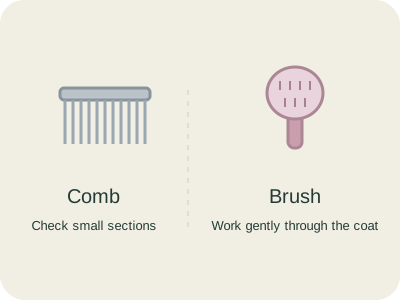
- 1Check
Inspect the coat and tool before starting.
- 2Brush
Use light strokes on manageable sections.
- 3Comb
Pause when teeth catch; never pull harder.
Care notes and practical details
A comb and a brush are useful for different parts of coat care. A push-button brush can make removing collected hair easier, but its cleaning mechanism does not tell you whether its pins suit your pet. Choose the contact surface and technique for the coat, then consider how easy the tool is to clean.
What a comb does
A comb lets you check a smaller section of coat with more control. Wider tooth spacing may move through a section differently from closer spacing. Rounded, smooth teeth matter, along with the tool's size and how comfortably you can hold it. A finishing comb does not replace every brush, and it should not be pulled through a stubborn knot.
For longer coats, a comb can help you notice areas a brush has passed over without fully separating. Work carefully around friction points such as behind the ears, while keeping the skin and pet's reaction in view. Start where the coat is easy to work through.
What a self-cleaning brush does
A self-cleaning brush usually uses a button to move a plate or pins so that collected hair is easier to remove. The exact mechanism varies. Pin length, spacing, tip finish and firmness still need to suit the coat. A product title or picture does not establish that it is appropriate for every cat, dog or skin condition.
Inspect a tool before use. Look for damaged tips, sharp edges or parts that move unexpectedly. Try a few light strokes in the direction of coat growth, without pressing into the skin. Stop and take a break when your pet pulls away or becomes unsettled.
A gentle routine
Keep sessions short, and work on manageable sections. Support longer hair so that working toward the ends does not tug at the skin. If a comb catches, pause and find the cause instead of applying more force. Tight mats, soreness or inflamed skin call for help from a qualified groomer or veterinarian; cutting into a mat at home can injure skin hidden underneath.
The right grooming frequency depends on coat type, shedding, lifestyle and your pet's needs. These tools do not provide treatment for skin problems. Ask your groomer which tool and technique are suitable if the coat is unfamiliar to you.
Keep the tool clean
Remove trapped hair after use and follow the manufacturer's washing instructions. Do not assume that a button or handle can be submerged. Dry the tool before storing it and check the moving parts periodically. Check the actual tool’s dimensions, tooth finish and material; a product photo alone cannot establish those details.
Your ready-to-use checklist
Download text checklist Or use your browser's Print command for a paper copy. Fill in your own copy privately.
PETDOING — PET COMB OR SELF-CLEANING BRUSH: WHICH TO USE?

Coat type / groomer’s advice: ________________
Tool size, teeth or pin finish: ______________
Damaged tips / moving parts checked: _________
Pet’s response to a short session: __________
Areas needing professional help: ____________
Tool cleaning instructions: _________________

Follow the actual maker’s instructions and your pet’s care plan.
Keep completed notes privately. Stop when your pet is uncomfortable.
PetDoing · https://petdoing.com/guides/comb-or-self-cleaning-brush/
Explore the free grooming game look →
Illustrated cosmetic only. Real accessories are separate; no purchase is required.